
Peer Review that Strengthens Every Read
ACR RadPeer Scoring Model used for blinded, statistical review, backed by Joint Commission accreditation.
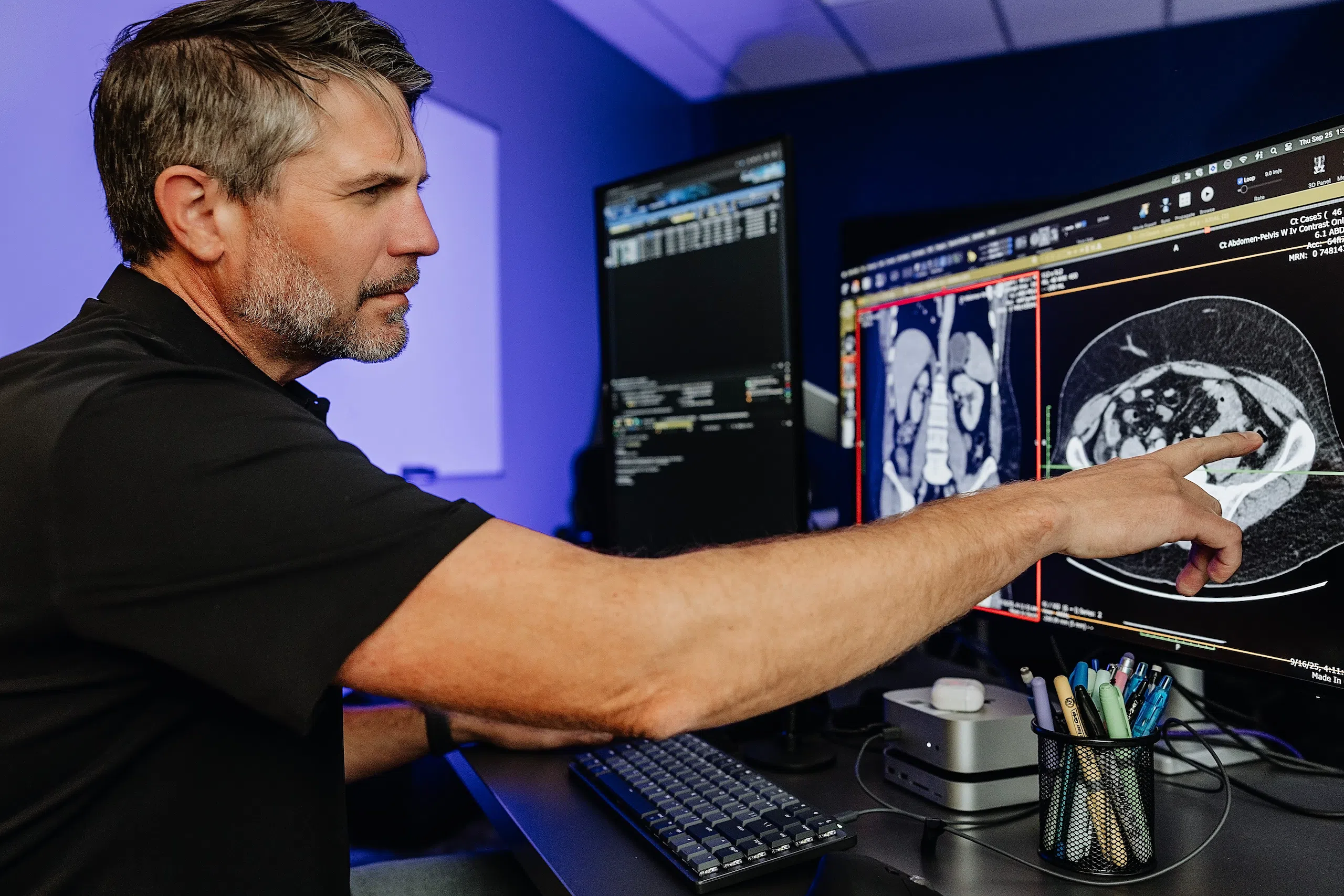
Quality at a Glance
Structured Peer Review
Cases are reviewed through an established process designed to evaluate interpretive quality and identify opportunities for learning.
Quality-Assurance Oversight
Trends, discrepancies, and process feedback are reviewed by quality Radiologists to support accountability and consistent standards.
Direct Feedback to Radiologists
Peer review and its outcomes are privileged and confidential, and feedback is communicated through defined channels so Radiologists understand findings and next steps.
Continuous Improvement
Review findings can inform education, workflow improvements, and broader quality initiatives.
Joint Commission Accredited Teleradiology
Real Radiology holds The Joint Commission's Gold Seal of Approval® for Telehealth Accreditation, an important recognition of the high standards we uphold across our organization.


How Review Findings are Evaluated
Clear Standards for Case Review
Findings are evaluated using the ACR RadPeer scoring model, with defined statistical targets and confidence intervals.
Feedback to Radiologists
Results are communicated directly, with specific and meaningful feedback.
Radiologist Input & Secondary Review
Radiologists can provide context or request additional review through an independent oversight pathway.

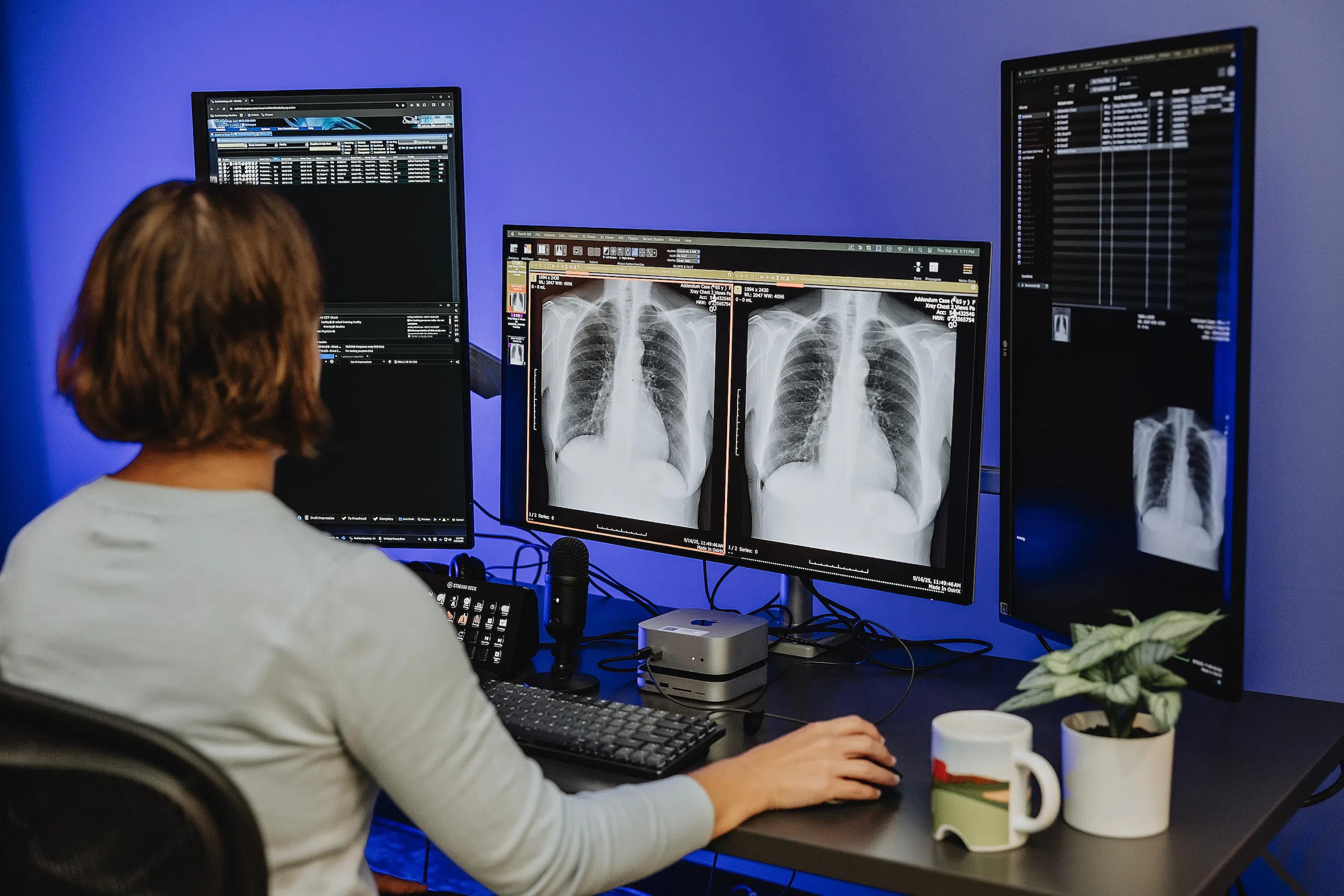
Related Radiologist Experience Pages
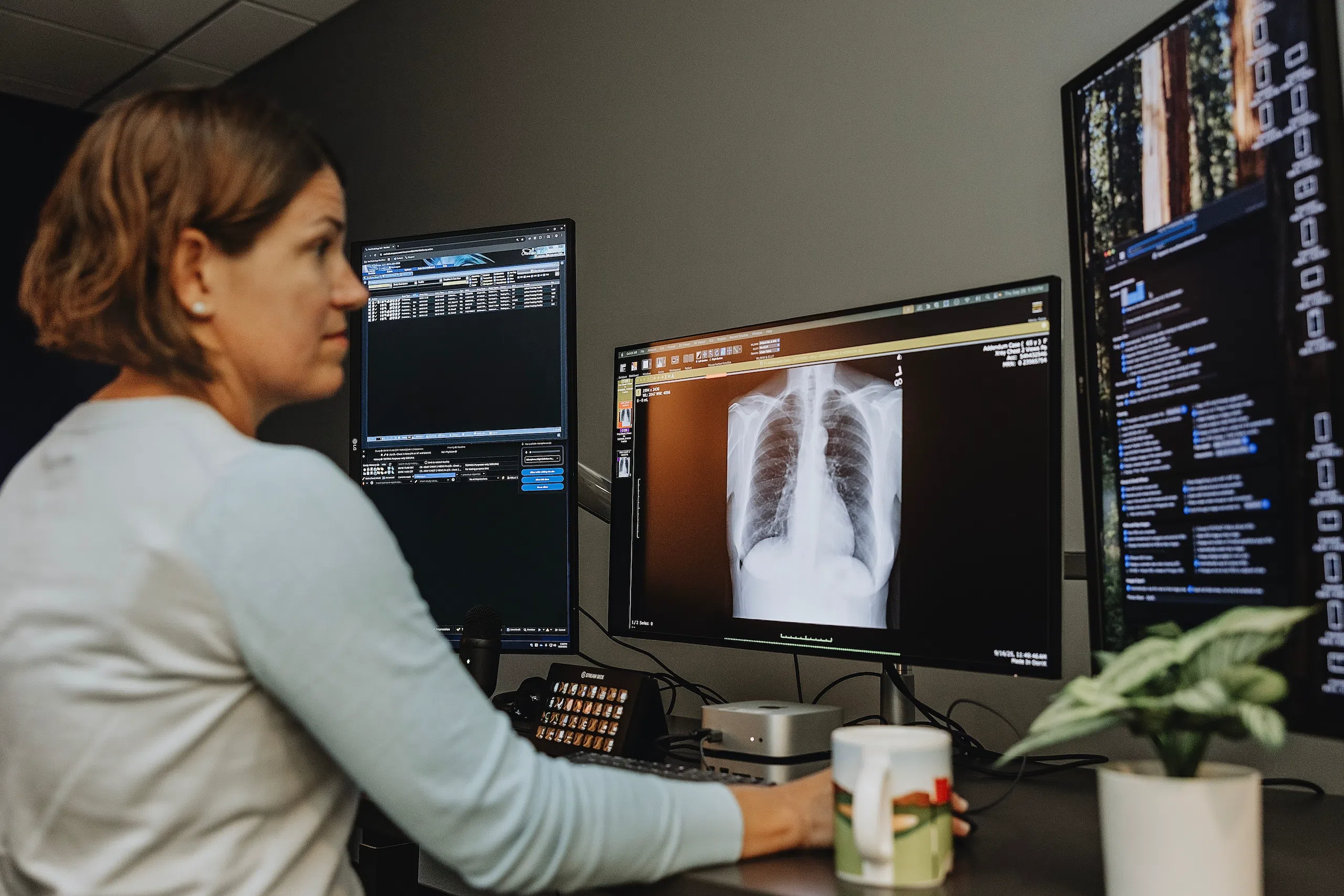
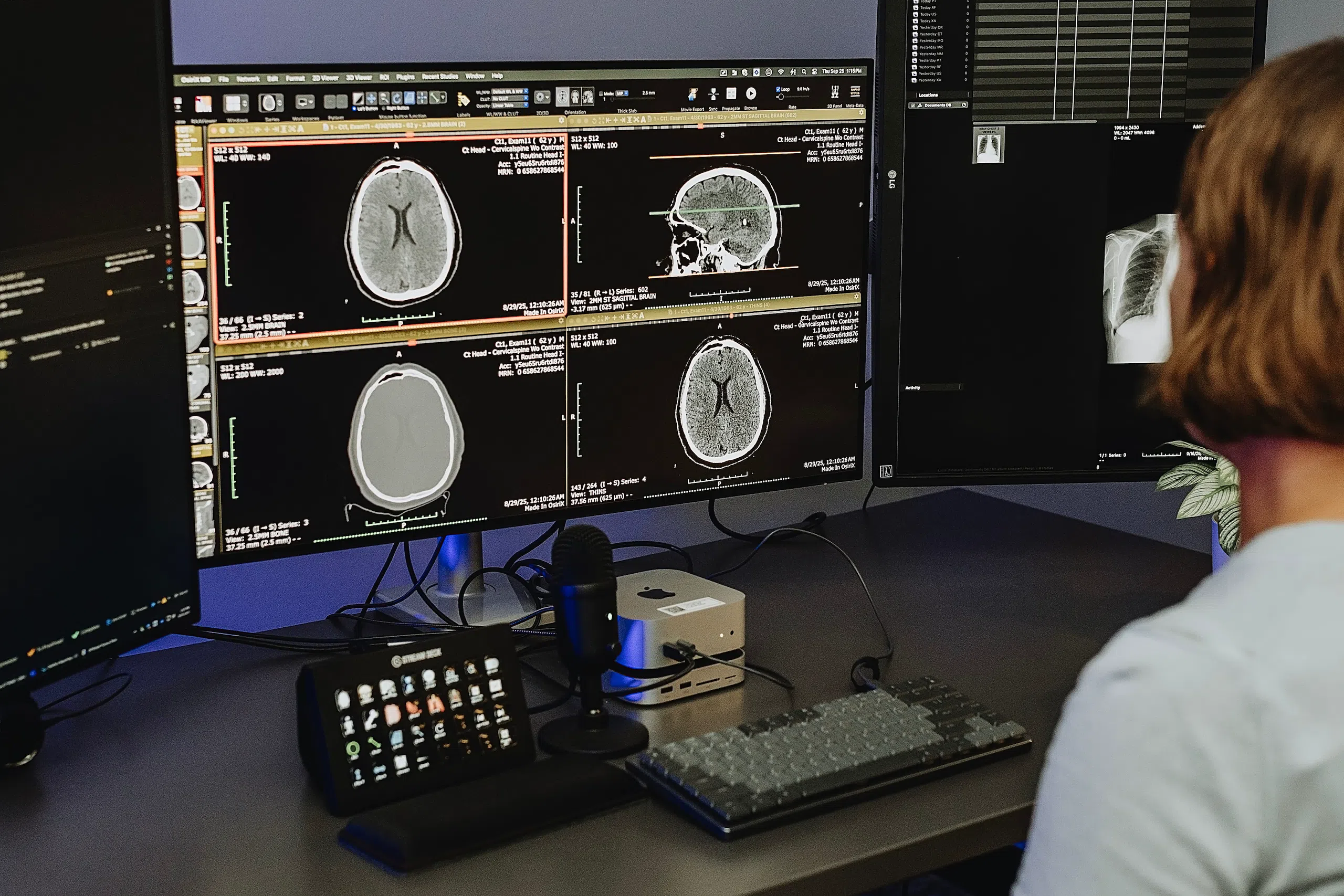


Learn More about Our Quality Standards
Peer Review & Quality Assurance FAQs
Is Real Radiology Joint Commission accredited, and what does that mean?
Yes, Real Radiology holds The Joint Commission's Gold Seal of Approval® for Telehealth Accreditation, reflecting an evaluation against recognized quality and patient-safety standards, with our initial full survey resulting in zero findings.
Does Real Radiology have a formal peer-review program?
Yes, peer review is conducted at scale using a blinded process based on the ACR RadPeer scoring model.
How are cases selected for peer review?
Studies may be reviewed through routine quality monitoring or because specific discrepancy feedback requires additional evaluation.
Who reviews Radiologist interpretations?
Interpretations are reviewed by quality Radiologists through the structured peer-review process.
How are discrepancies categorized?
Discrepancies are categorized using defined statistical targets and confidence intervals under the ACR RadPeer model, which keeps scoring consistent across reviewers.
How is peer-review feedback delivered, and can a Radiologist request additional review?
Feedback is specific and individualized rather than a generic summary, and Radiologists can provide context or request additional review through an independent oversight pathway.
What is the difference between peer review and quality assurance?
Peer review is an internal Real Radiology process for evaluating interpretations, while quality assurance addresses feedback submitted by clients.
Does Real Radiology monitor quality trends beyond individual cases?
Yes, trends across discrepancies, modalities, and facilities are tracked over time, with findings that can inform education, workflow, and technology improvements.
Can Radiologists consult with other Radiologists?
Yes, informal peer consultation is available for complex or uncertain cases before a report is finalized.